
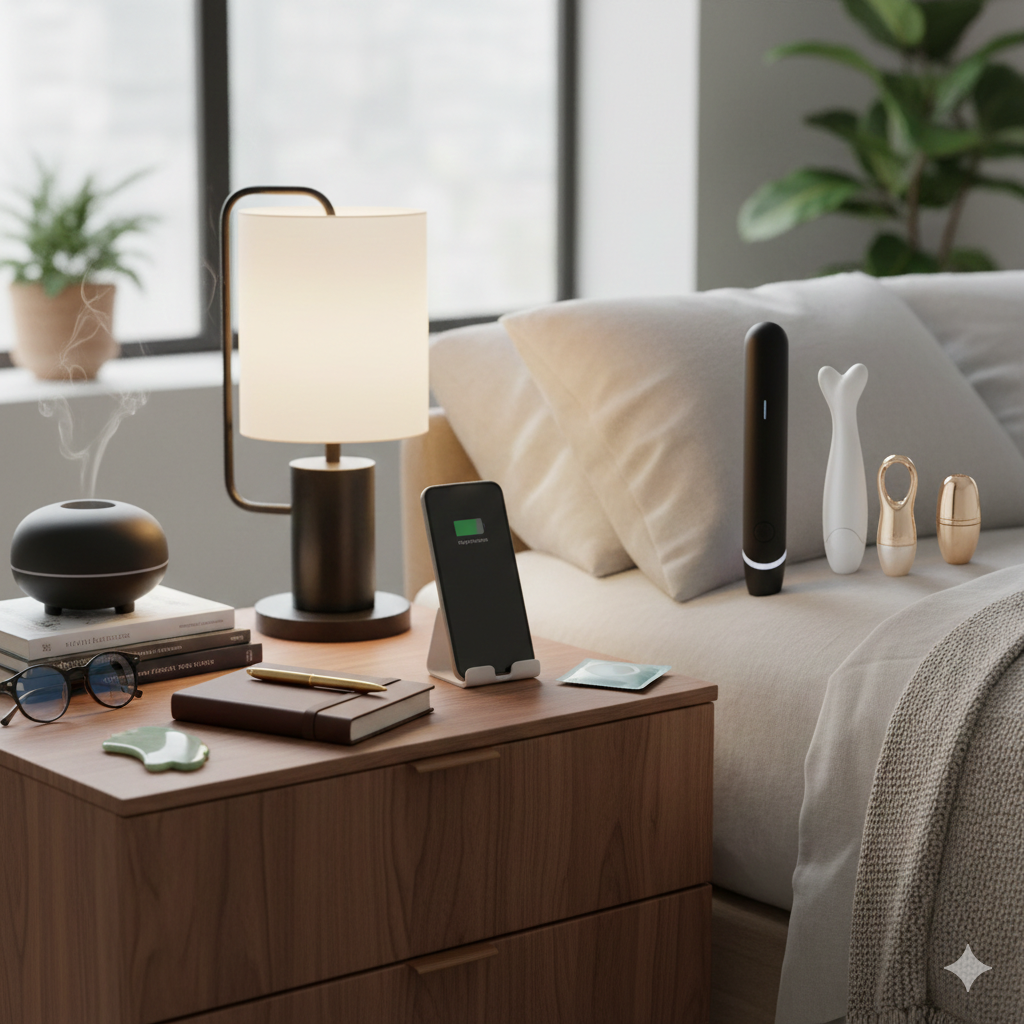
When it comes to choosing a dildo, realism is not a universal goal. Some people are drawn to lifelike details that closely mimic anatomy, while others prefer smoother, more abstract designs that focus on comfort and versatility. Understanding the difference between minimal and hyper-realistic dildos can help you make a more confident, personal choice – one that aligns with your body, mindset, and overall approach to sexual wellness.
Rather than asking which option is “better,” a more useful question is: what kind of experience do you want to create?
Understanding Design Philosophy in Pleasure Products
Design in sexual wellness products is shaped by more than appearance. It reflects how users relate to sensation, intimacy, and control. Minimal designs emphasize simplicity and adaptability, while hyper-realistic models aim to replicate familiar physical cues through texture, shape, and material response.
Both approaches exist to support different emotional and physical needs, and neither is inherently more advanced or effective.
What Defines a Minimal Dildo?
Minimal dildos are characterized by clean lines, subtle curves, and limited anatomical detailing. They often prioritize ergonomics and ease of use over visual realism.
Common features include:
- Smooth or lightly textured silicone
- Simplified silhouettes
- Neutral or non-flesh color palettes
- Focus on comfort and control
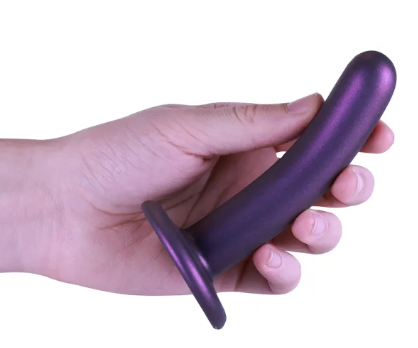
A good example of this design philosophy is a smooth silicone G-spot dildo, such as the Shots Ouch! Smooth Silicone 5 In. G-spot Dildo, which emphasizes targeted stimulation without relying on lifelike detailing.
Who Typically Prefers Minimal Designs?
Minimal designs often appeal to:
- Beginners exploring realistic dildos for the first time
- Users sensitive to heavy texture
- Those who prefer a versatile, low-pressure experience
- People who value aesthetics and discretion
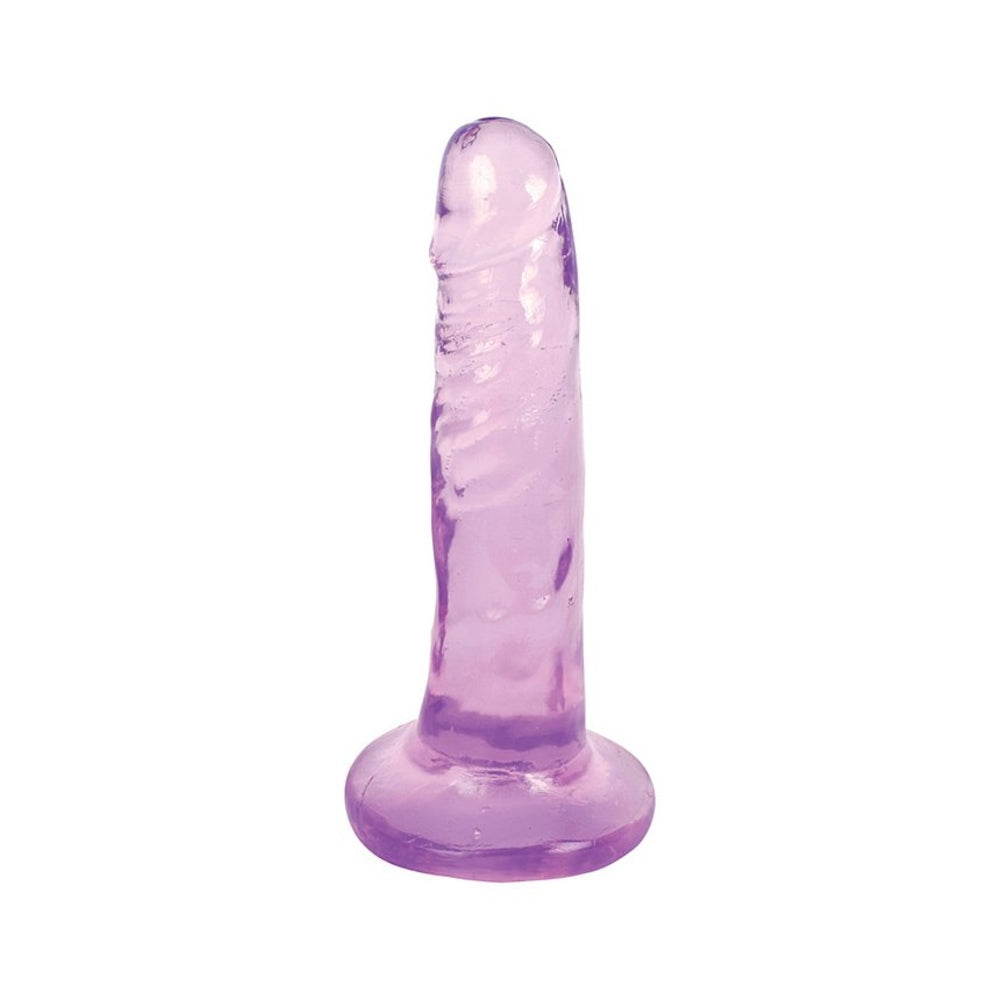
Slim profiles also fall into this category. Products like the
Lollicock 6 Inches Slim Stick Dildo
or the
Lollicock 8 Inches Slim Stick Dildo with Balls
demonstrate how subtle anatomical cues can exist without overwhelming visual realism.
What Makes a Dildo Hyper-Realistic?
Key characteristics often include:
- Lifelike shaft detailing
- Realistic proportions
- Skin-inspired silicone finishes
- Visual and tactile immersion

A clear example is the Realrock Realistic Straight Dildo 11″ Transparent, which highlights anatomical structure and realistic scale while using body-safe silicone for durability and comfort.
The Psychological Impact of Realism
For some users, realistic design enhances emotional engagement and familiarity. Hyper-realistic textures can make the experience feel more immersive, especially for those who associate physical detail with intimacy and authenticity.
Realism can also influence how the body responds to stimulation, particularly when paired with additional features.
When Features Enhance Realism
Hyper-realistic designs are not limited to visual elements alone. Functional features can deepen sensory engagement.
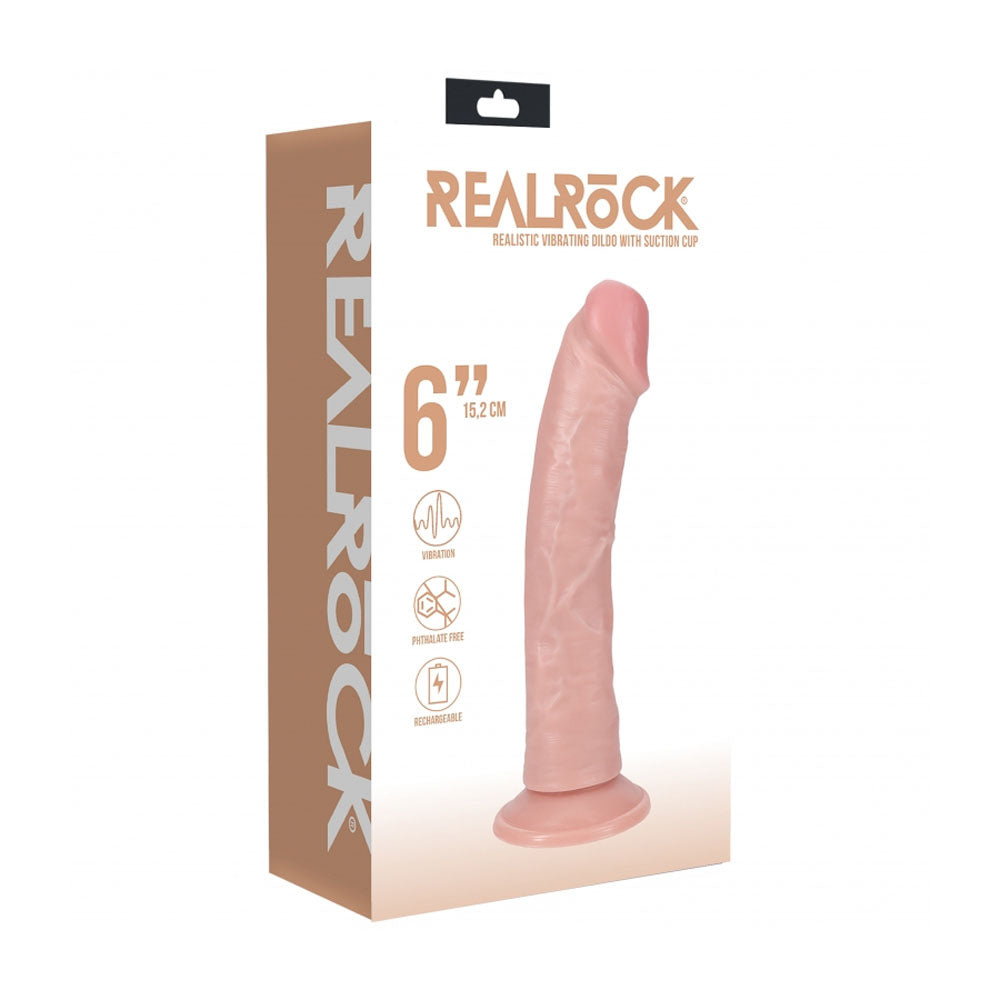
For example, the Realrock 6″ Vibrating Cock Regular Curved Flesh combines anatomical shaping with vibration, illustrating how added stimulation can shift the experience beyond static realism toward multi-sensory exploration.
This type of design often appeals to users who enjoy layered sensations without sacrificing familiar form.
Material, Density, and Sensation
Material choice plays a critical role in how a dildo feels during use. One important distinction is dual-density silicone, which uses a firmer core with a softer outer layer.

A representative example is the Jock Dual Density Silicone Dildo With Balls 7in Light.
This construction allows the toy to maintain structure while offering surface softness, closely mirroring natural resistance and flexibility.
Dual-density designs are commonly associated with hyper-realistic models, but their benefits are tactile rather than purely visual.
Minimal vs. Hyper-Realistic: A Practical Comparison
Minimal designs often emphasize:
- Smooth sensation
- Greater control
- Easier positioning
- Lower visual intensity
Hyper-realistic designs often focus on:
- Textured stimulation
- Anatomical familiarity
- Immersive experience
- Emotional realism
Neither approach is superior. Preference often depends on mood, experience level, and how much visual detail contributes to personal comfort.
How to Discover Your Personal Preference
Choosing between minimal and hyper-realistic designs is a process of self-awareness rather than performance.
Consider asking yourself:
- Do I enjoy texture, or do I prefer smooth surfaces?
- Is visual realism important to my sense of intimacy?
- Am I looking for exploration or familiarity?
- Do I prioritize comfort, control, or immersion?
Many people find their preferences evolve over time, and it’s common to appreciate both styles in different contexts.
There Is No “Correct” Choice
Minimal and hyper-realistic dildos exist to support different forms of self-exploration. Some users value abstraction and simplicity, while others seek anatomical accuracy and sensory depth. Both approaches are valid expressions of personal pleasure and sexual wellness.
What matters most is choosing designs that feel aligned with your body, your curiosity, and your comfort, without comparison or expectation.