
For a long time, G-spot stimulation has been framed as a shortcut to intensity – or dismissed as a myth altogether. Both views miss the point.
Learning your body through G-spot stimulation isn’t about chasing a specific outcome. It’s about internal awareness: understanding how pressure, angle, relaxation, and timing interact with the nervous system. For many people, it becomes less about “more” and more about clearer communication with the body.
Pleasure, in this context, is feedback.
The G-Spot as a Sensory Response, Not a Button
From an anatomical perspective, the G-spot isn’t a single structure waiting to be activated. It’s a responsive area – part of a larger internal network that includes tissue sensitivity, blood flow, and neural engagement.
This is why experience varies so widely. Some bodies respond quickly. Others require time, relaxation, or specific angles. And some respond very subtly.
What matters most is not intensity, but direction and pacing.
Tools designed specifically for G-spot stimulation tend to focus on shape rather than force. A gentle curve, a firm but forgiving material, and control over movement allow the body to register sensation without overwhelm. This is where a thoughtfully designed G-spot dildo can support learning – by offering consistency and precision rather than stimulation overload.
For example, a curved silicone design like Njoy Pure Wand allows users to explore pressure and positioning slowly, helping distinguish between physical sensation and emotional readiness.
Why Angle Matters More Than Speed
Many people approach internal stimulation with the same assumptions they bring to external pleasure – speed, repetition, escalation. But internal response often works differently.
The body tends to respond more clearly to intentional pressure and sustained contact. Small changes in angle can shift sensation dramatically. Pausing can be as informative as movement.
This is why learning happens best when stimulation is:
- unhurried
- exploratory rather than goal-oriented
- guided by bodily feedback, not expectation
A softer, flexible silicone option – such as Tantus Curve – can make this process more intuitive. Flexibility allows the body to lead rather than adapt to rigidity, encouraging relaxation and curiosity.
When Sensation Becomes Information
Many people describe their first meaningful experience with a G-spot dildo not as intense, but as unexpectedly informative. One woman shared that what surprised her most wasn’t the sensation itself, but how different it felt from external stimulation — slower, deeper, and more connected to her breath. At first, the response was subtle, almost confusing. But over time, as she learned to relax and adjust pressure rather than speed, the sensations became clearer and more emotionally grounding. For her, the experience wasn’t about reaching a specific outcome, but about learning how her body responds when given time, intention, and internal attention. That shift — from performance to curiosity — changed how she understood her own pleasure.
Emotional State Shapes Physical Sensation
One of the most overlooked aspects of G-spot stimulation is emotional context.
Internal pleasure is closely linked to the nervous system. Stress, distraction, or performance pressure can reduce sensitivity – not because something is “wrong,” but because the body is prioritizing safety over sensation.
Learning your body means noticing:
- when stimulation feels receptive versus neutral
- how breath and posture affect sensation
- how anticipation or anxiety shifts response
This is why many people describe G-spot exploration as a practice rather than a technique. Over time, patterns emerge. The body becomes more legible.
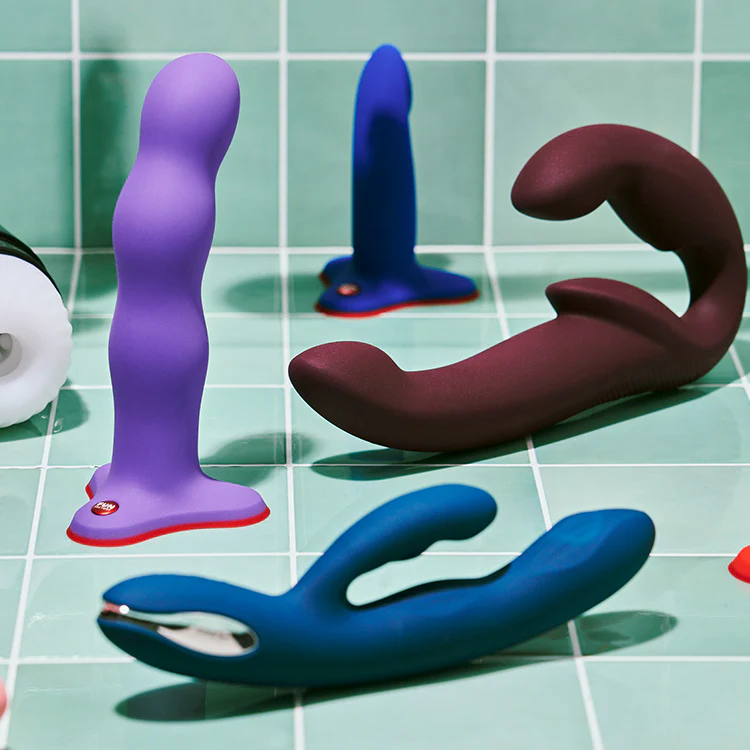
A beginner-friendly, gently curved option like Fun Factory Sharevibe can support this learning curve by emphasizing comfort and control, especially for those still mapping internal sensation.
Learning Without Expectations
Not every body responds to G-spot stimulation in the same way – and that’s not a failure of anatomy or technique. It’s simply diversity.
For some, the learning is subtle: a sense of fullness, warmth, or emotional release rather than overt intensity. For others, response builds gradually with familiarity and trust.
What matters is not replicating someone else’s experience, but listening to your own.
A Final Thought
Learning your body through G-spot stimulation is not about unlocking a secret. It’s about developing a relationship with internal sensation – one shaped by patience, curiosity, and respect for your own pace.
Tools can help, but awareness leads.
And when pleasure is treated as information rather than expectation, the body tends to speak more clearly.
When approached without pressure, G-spot stimulation becomes less about performance and more about self-knowledge.