
The question of choosing between realistic and non-realistic dildos is often framed as a matter of taste. But from an expert perspective, this decision is more nuanced. Design, shape, and visual language all influence not only physical sensation, but also emotional response, comfort, and how the body interprets pleasure.
As intimacy tools become more thoughtfully designed, users are increasingly choosing based on experience rather than imitation. This shift invites a deeper look at what these designs actually offer.
Beyond Appearance: Why Design Matters More Than We Think
From a sexology and product design standpoint, form is never neutral. The shape of an intimacy tool sends signals – to the nervous system, to perception, and to expectation.
Experts often describe this as design-mediated sensation: the idea that what we feel is shaped as much by anticipation and context as by physical contact itself.
Realistic Dildos: Familiarity And Embodied Memory
Realistic dildos tend to activate what sexologists call embodied memory – sensations that feel recognizable because they resemble past physical experiences. Texture, anatomical contours, and proportions can create a sense of continuity with known forms of intimacy.
For some users, this familiarity promotes relaxation, making it easier to stay present in the body. Products like the Vixen Creations Johnny Realistic Dildo are often chosen for their detailed texture and soft yet structured feel, which can support slower, grounded exploration rather than intense stimulation.
Expert insight:
Familiar forms can reduce cognitive effort. When the brain doesn’t need to “decode” a new shape, the body may relax faster – which can enhance sensitivity.
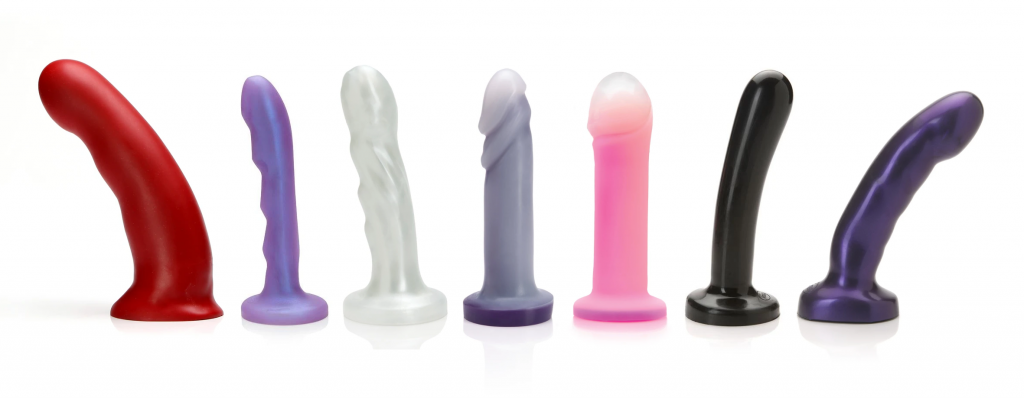
Non-Realistic Dildos: Precision and Sensory Focus
Non-realistic dildos work differently. By removing anatomical references, they often encourage users to focus purely on sensation – pressure, movement, rhythm.
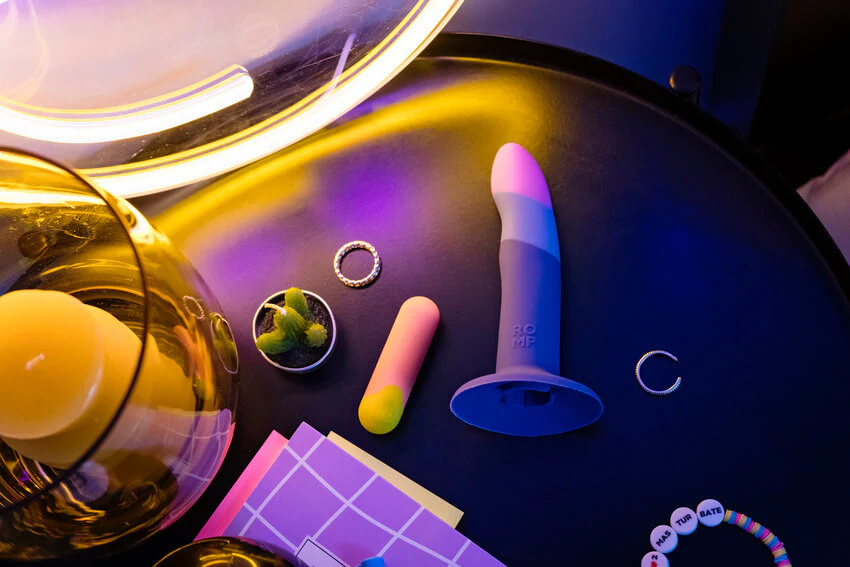
Minimalist designs like the Romp Piccolo are frequently recommended by educators for people exploring new types of stimulation or returning to basics. Their clean lines reduce visual and mental distraction, allowing users to tune into subtle bodily feedback.
Expert insight:
Abstract forms can heighten interoception – the ability to sense internal bodily signals – because there’s less narrative attached to the object itself.
Comfort Is Physical – and Psychological
Comfort is not just about size. It includes balance, flexibility, and how intuitively a toy responds to movement.
Some realistic dildos have a presence that users describe as grounding or reassuring. The Real Rock Realistic Dildo With Balls, for example, is often chosen for its substantial feel and visual realism, which some users associate with stability and control.
At the same time, others find that smoother, non-realistic shapes are easier to maneuver, especially during longer sessions or when experimenting with angles and positions.
Visual Comfort and Mental Safety
Psychological comfort plays a major role in pleasure. For certain users, realistic designs may trigger comparison, performance pressure, or expectations. For others, abstraction feels safer – emotionally neutral, less loaded.
Non-realistic options such as the Realrock Crystal Clear Non-Realistic Dildo With Suction Cup often appeal to users who want a calm, design-forward object that feels intentional rather than symbolic.
Personal Meaning: What the Object Represents
Realistic dildos can carry personal or emotional meaning. For some, they represent connection, reassurance, or continuity. For others, they offer a sense of choice and control over familiar sensations — especially when approached at one’s own pace.
Non-realistic dildos are often framed by experts as tools of autonomy. Their abstract nature removes external reference points, allowing pleasure to exist without comparison or expectation.
This is why many users describe non-realistic designs as private objects — chosen for themselves, not to replicate anything or anyone.
How to Choose: An Expert-Oriented Checklist
When deciding between realistic and non-realistic dildos, consider:
- Do you seek familiarity or novelty in sensation?
- Does visual realism feel grounding or distracting?
- Do you prefer textured stimulation or smooth precision?
- Is ease of cleaning and storage a priority?
- What emotional response does the design evoke?
There is no “correct” choice – only an informed one.
Final Perspective
Choosing between realistic and non-realistic dildos is less about imitation and more about intention. As intimacy tools continue to evolve, design is increasingly understood as a language – one that communicates comfort, autonomy, and awareness.
By listening to both body and mind, users can choose tools that support not just pleasure, but a deeper, more respectful relationship with their own experience.